
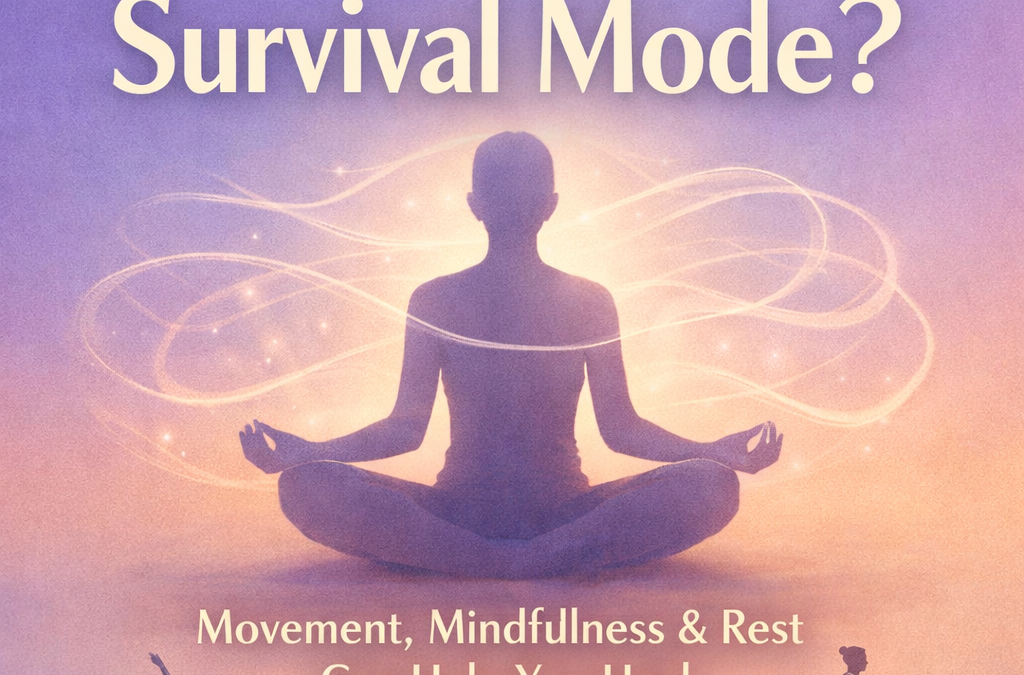
Even if you’ve never experienced a traumatic brain injury (TBI), your brain can sometimes act as if you have one. How? Through repeated cycles of stress, trauma, or unprocessed emotions. Each time we relive old pain—whether consciously or unconsciously—our brain reinforces survival circuits. Fight, flight, freeze, or fawn patterns become automatic. Over time, these repeated responses can leave us feeling stuck, reactive, or disconnected from ourselves and others.
Trauma doesn’t have to be a single catastrophic event to affect us this way. Even everyday experiences that trigger fear, shame, or grief—especially if they’re repeated—can create neurological patterns that resemble the effects of a TBI: slowed processing, hypervigilance, difficulty regulating emotions, and feeling “stuck” in old loops.
Many of us are functioning this way more than we realize—even when life seems “normal.” You might notice it in small, subtle ways:
-
Simple, everyday tasks feel harder to complete.
-
Decisions that once felt easy now feel overwhelming.
-
Exhaustion has settled into your body, even if you’re technically getting enough sleep.
-
Your mind is constantly “solving problems,” even when there is no immediate problem to solve.
These are signs that your brain is stuck in overdrive, constantly scanning for threats and trying to protect you, even when it’s no longer necessary.
Movement: Releasing Through the Body
Our bodies carry what our minds can’t always process. Gentle yoga, stretching, walking, or even rhythmic dance can help release tension, reset the nervous system, and signal to the brain that it’s safe to relax. Somatic movement helps bridge the gap between the body and mind, allowing emotions trapped in the nervous system to flow rather than fester.
Mindfulness: Training the Brain to Pause
Mindfulness practices—meditation, breathwork, or simply pausing to notice thoughts without judgment—teach the brain that not every signal requires a survival response. By observing triggers instead of reacting, you strengthen neural pathways for calm, choice, and presence. Even a few minutes a day can gradually quiet the loops of survival mode.
Rest: Giving Your Brain Permission to Recover
Rest is just as crucial as movement and mindfulness. When your brain is constantly in overdrive, it never gets a chance to reset. Even when your body is “at rest,” your mind may still be scanning for threats, solving imagined problems, or replaying old patterns. Intentional rest—naps, quiet time, meditation, or simply doing nothing—signals to your nervous system that it’s safe to slow down. Over time, this teaches your brain that it doesn’t have to be on constant alert and allows healing to occur.
Healing stuck emotional patterns isn’t about erasing the past. It’s about giving the brain new tools to navigate the present safely. Movement, mindfulness, and rest work together to create space for connection, creativity, and love—the things survival mode has been quietly keeping at bay.
Your brain has been protecting you all along. Now it’s time to teach it how to rest, move, and feel safe enough to thrive.